


The report comes back with one word at the top: FAIL. Sample of eighty, eleven major defects, acceptance number five.
The factory calls before you finish reading. It is not a real problem, the order was rushed, a customer had the same report last year and took the goods anyway.
You have a vessel in five days. The booking is confirmed, the truck is scheduled, the balance is unpaid.
Five days is a normal estimate for a failed inspection in China. Yours may be shorter or longer. What follows is ordered by decision, not by the clock.
Two Things in the Report Worth Reading
Page one gives you a verdict. Where do you look instead? The location column in the defect list, and the photographs.
Eleven major defects can be eleven separate problems, or one problem that showed up eleven times. The first means the whole line is loose. The second means one machine is out of position. The two need different money, and the report gives you a single total.
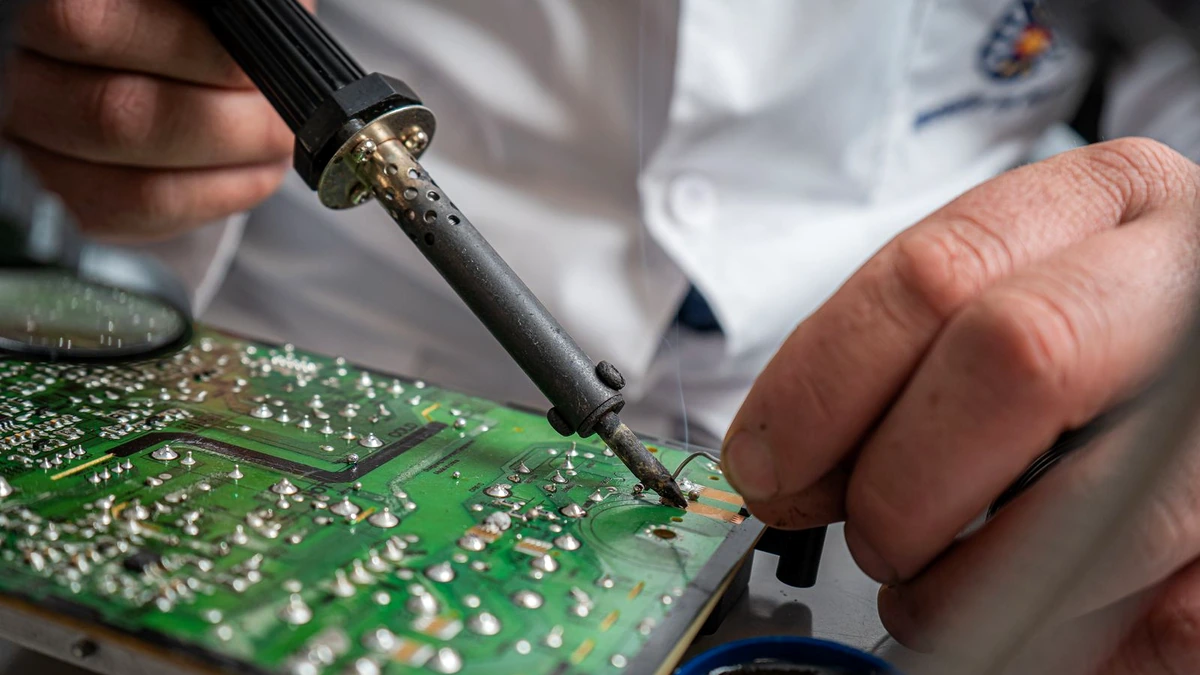
A power adapter factory in Dongguan came back with eleven majors, nine of them on the same solder joint. That is not nine defects. That is one wave-solder fixture sitting slightly off, and replacing it fixes the batch. Eleven defects spread across eleven workstations is a different conversation: rework saves this batch only, and the next one arrives with the same problems.
So the first thing you do is not read. It is sort. Lay the photographs out by workstation.
You will get stuck. Inspectors photograph close-ups, and a close-up does not tell you where the defect sits on the unit. If that is all the report contains, you cannot tell scattered from concentrated. Ask for wide shots the same day. The instruction is one line: defect and whole unit in the same frame.
Once the photographs are laid out, you can see whether the defects cluster or scatter. What the layout does not tell you is whether the batch should stop at all.

The Defects That Stop a Batch on Their Own
So which defects are bad enough to stop the batch? Four kinds do not wait for the count to reach the limit. Safety items that fail. Functions that can hurt someone. Certification marks that do not match the product. A battery that is not the battery on the datasheet. One of these is enough to stop. Rework usually will not recover it either, because the cause sits in the material, not the assembly.
The second kind is a defect that keeps repeating while the factory cannot explain it. How do you test that? Ask why three times. If the second answer circles back to the first, the root cause has not been found. Rework here buys a delay, and the money moves the problem to the next order.
The third kind is the most common: colour variation, burrs, misregistered printing, crushed packaging, crooked labels. Small on their own, easiest to wave through, and they all come back as customer complaints. The response is not rework. It is sorting them out, or negotiating a price and shipping as is.
Whether to stop is now a decision you can make. The next one is about money.
What a Re-Inspection Costs, and Who Pays
Re-inspection is charged by the day, and one inspection is one day minimum. Ask two things when you book it: whether the report can be issued the same day, and whether a second attendance is needed. The question after that is whose account the day lands on.
The invoice comes to you first. The inspection body bills the party that commissioned the work. It has no contract with the factory and will not pursue them for payment. Getting the factory to cover it is your claim to make.
Whether that claim holds depends on two things: what the contract says, and whether responsibility is clear. Where the contract is silent, it is a negotiation over whose fault it was. Deducting it from the balance is easier than asking for cash.
The inspection fee is one of four. The other three are rework labour, sorting labour, and the rebooking cost if you miss the vessel. The last three together usually exceed the inspection fee.
None of that gets paid until the factory says what it is going to change.
Four Questions Before You Agree to Rework
Do not send “please rework as soon as possible”. Those five words hand over the initiative.
Ask four things: which processes change, which materials are replaced, who signs off when it is done, and what date the re-inspection can happen. If the answers do not exist, the factory has not started thinking.
A hardware factory in Foshan replies with one line: rework has been arranged. Ask which process and who owns it, and the answer goes vague. Usually the order has been subcontracted to a smaller plant in the next town, and rework waits for their schedule.
Then fix the date. Not “as soon as possible” — a time: completed and confirmed by email before Thursday, re-inspection Friday. A date puts you in the factory’s plan. Without one, you are behind every other order.
Work the date backwards: two days of rework, one day to book the inspector, one day for the report. Three to five days if it goes well. When the factory says three, plan five, because rework is usually followed by another pass.
The date is set. But what happens in the two days before it?
During Rework, Watch the Sort Record
You are not on the floor. What you know comes from the photographs the factory sends and the answers you pull out of them.
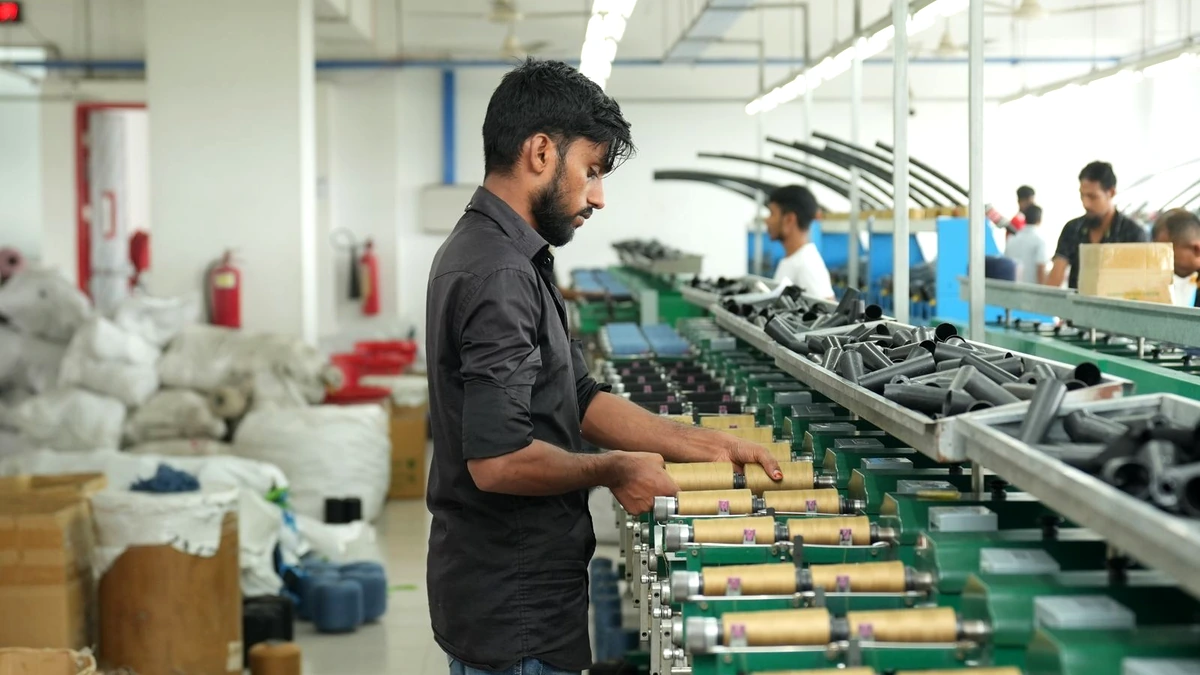
Sorting is the part most often skipped. A small appliance factory in Ningbo had five thousand units to check by hand, two people, two to three days. Ask three questions: who sorts, where, and is there a record.
What you will see on site is a table in the corner, two people pulled off another line, talking while they work, rejects going into a carton with no count and no number. At the end you get one sentence: it has all been checked.
That sentence carries no information. What you want is a record: units in, units rejected, defects by category, signed. With that you can judge whether to sample again. Without it, you are choosing to believe.

One more thing: do not let the inspector do the sorting. Sorting is the factory’s job. Once the inspector starts picking, the next result belongs to nobody, because the factory will say you did it.
The report will come back either way. The vessel does not wait for it.
When the Vessel Leaves Without You
What if the report is late, or the re-inspection fails? The vessel sails anyway. Three options, and each one has a price.
Move to the next sailing. The date that matters is not the departure but the cut-off, because cargo enters the terminal days earlier. Rates depend on the route and how tight the space is, and peak season is not off-season.
Split the shipment. Good units go, reworked units stay. A split means a new declaration, with invoices and packing lists in two sets. On small volumes, the fixed cost of splitting can exceed the value of the goods.
Drop the batch — but only after you have asked whether this order is worth rescuing at all.
Some Orders Are Not Worth Rescuing
The sequence above is not worth running on every order.
If the defect is fatal and the cause is in the material, rework will not recover it. Change the batch or cancel. A re-inspection only adds a day to a decision you have already made.
If the factory cannot explain the cause, or explains it two different ways, the next inspection will most likely fail too. What you need is someone watching the process, not another sample.
Running out of time is more common than either. If the vessel goes without you, a passed inspection ships nothing, and the fee only moves the loss a few days later.
Small value, small quantity: one day’s fee against a low order value does not work out.
The case that gets overlooked is a factory that cannot rework at all. A lighting supplier in Zhongshan took the order and subcontracted it. Rework waited for the subcontractor’s schedule. They agreed quickly and moved slowly. Ask which workshop the rework happens in and who owns it. A vague answer usually means it is happening somewhere else.
If the answer is no, the only thing left is to cancel without losing more than you have to.
If You Cancel, Keep Three Things
So you cancel. What has to be secured before that email goes out?
Whether the deposit comes back depends on the contract and on who breached it.
Who holds title to the tooling is the item most often missed. You paid for the tooling, so settle ownership and handover before you cancel, or you finish the cancellation without it.
Who absorbs material already purchased has to be settled in the same email.
Move quickly. The longer this sits, the easier it is for the factory to say the material was bought and the line was set up, and the weaker your position becomes.
That closes this order. The next one starts with what you write into it.
Put the Rules in the Next Order
Pull the purchase orders you are running and look for three sentences: how defects are classified, who pays for rework and re-inspection, and what happens if the re-inspection fails. Whatever is missing goes into the next order.
An order that states who pays is worth more than a report that says FAIL. The report tells you something went wrong. The order decides who pays for it.
Write the sampling plan in full. “AQL 2.5” on its own is not enough. Add the inspection level, the limits for critical, major and minor defects, and the standard they come from — (ISO 2859-1) is the common reference. We break that down in our guide to AQL sampling, so there is no need to repeat it here.
Everything above assumes you are already holding a failed report. The questions below are the ones that come up while you are in the middle of it.
Questions We Get Asked
Does a failed inspection mean the whole batch is unusable?
No. A failed inspection in China means the defect count in the sample exceeded the agreed limit. It gives you grounds to reject, not an obligation to. Whether the batch is usable depends on where the defects sit and whether they can be fixed.
Should the re-inspection go to the same inspection company?
Not necessarily, but the same company is simpler. It holds the previous report and photographs and can check the agreed corrections against them directly. A new company starts from a blank brief.
Can we trust a hundred percent check done by the factory?
Do not trust the conclusion. Look at the record. Ask for a sort sheet with numbers: units in, units rejected, defects by category, signed. With that you can judge whether to sample again. Without it, “it has all been checked” says nothing.
If the re-inspection fails again, can we get the deposit back?
That depends on the breach and cancellation clauses. Where the contract is silent, it is a negotiation. Whether you can credibly walk away is what gives that sentence its weight, which is why the facts in your earlier emails need to hold up. We cover how to structure the balance and deposit in our piece on payment terms.
The worst move is to put the report aside and wait for the factory to say it is fixed. The vessel keeps its schedule while you wait, storage keeps accruing, and the options narrow.
Send one email the same day with three things in it: what must change, when the re-inspection happens, and how the re-inspection is paid for. Once it is sent, the situation stops being “the factory is stalling” and becomes a schedule.
We do not make the call for you, and we do not argue with the factory on your behalf. What we do is take the report apart, push the rework plan until it is specific, and book the re-inspection for the date you set. If it reaches cancellation, we make sure the things you need to keep are kept. How inspection and factory audit work together is set out on our services page.