


The goods were in the warehouse three weeks before the invoice arrived.
Two new lines on it: demurrage and detention. Nobody mentioned them at quotation. Nobody mentioned them at booking. By the time the container was empty, both had already come out of the payment, or been folded into the price of the next order.
That is the trouble with these two charges. They arrive after the goods do, they arrive without a negotiation, and they are the only part of the shipping bill you never agreed to.
One charge sits inside the terminal, one outside
Demurrage is what you owe while the container is still in the terminal. The ship discharges it, you go and collect it, and in between the box occupies yard space. That space is billed by the day.
Detention is what you owe after the box leaves. The container belongs to the carrier, lent to you for an agreed number of days. Keep it longer and the same daily meter runs.
One is charged behind the gate, one in front of it.
Most buyers read the first invoice as a single mistake and call the forwarder to argue. Often there are two parties billing: the carrier or the terminal for one line, whoever owns the equipment for the other. You settle with one of them and the second meter keeps running.
So the first thing to establish is when each clock starts.

Two clocks, and only one of them is predictable
Ask three carriers the same question and you get three answers.
Demurrage starts when the container becomes available, meaning the carrier’s system has released the box and a truck can be sent for it. Some carriers start it on the day the vessel arrives instead, timed by the ship’s GPS position. On one voyage those two readings can sit two or three days apart. Nothing on your booking tells you which one applies unless you ask.
Detention is the simpler line. It starts the day the container leaves the terminal gate, and on that point the carriers agree.
The part that catches people is how free days are counted. They run on calendar days, weekends and public holidays included. A box that arrives on Friday with two free days gives you one working day. The same two days on a Monday arrival are two full days.
How many free days you get depends on three things: the carrier, the discharge port, and the contract you signed. On the same port, one carrier will give you several days more than another.
Once the days are counted, the next question is who the invoice goes to.
Who ends up paying
Whoever is named as consignee on the bill of lading is liable. There is very little exception to this.
Under FOB, that is you, which is why the first invoice is often a surprise. The freight was quoted by the factory. Where did this second number come from?
Under DDP, it depends on whose name is clearing the goods. This has to be settled at quotation, not when the invoice lands. Two DDP quotes can look nearly identical: one says “all destination charges included”, the other says “customs included, demurrage at cost”. On the quotes we compare, the price gap is often a couple of hundred dollars. The gap in exposure runs into thousands.
Forwarders usually pay first and bill you after. Whether that pass-through carries a markup, and how much, is often not in the contract.
And once you have paid, there is a further question: if the charge was not reasonable, how long do you have to chase it?
In the US, the window got longer
In September 2026, the US Federal Maritime Commission confirmed a change: charge complaints are no longer subject to a three-year limit. For charges assessed on or after 16 June 2022, there is no deadline.
The burden of proof moved as well. You no longer have to show that the charge was unreasonable. The carrier has to show that it was reasonable.
One detail is easy to get wrong. Formal complaints still carry a three-year limit. The two routes are different. Take the right one and there is no ceiling. Take the wrong one and the window closes at three years.
What does the change actually mean? The disputes piled up between 2021 and 2023 had been drifting past their deadlines. In theory they are alive again. What it changes for an individual buyer is the exposure period. Not raising it today does not mean you cannot raise it next year.
Having time to chase a charge is not the same as avoiding it. Every extra day the box sits, the meter runs.
Five ways a container gets stuck
Most cases fall into one of five.
1. The documents are not there. The bill of lading has not been released, so title is still with the factory or the bank. Or the invoice value does not match the declaration. The container waits in the yard for a signature. At a furniture factory in Dongguan the goods were finished weeks earlier. What held the box was one sheet of paper, and that sheet was at sea, or in somebody’s inbox.
2. Customs pulls the container for examination. The meter does not pause. A batch of small appliances from Cixi sat in the exam area for four days because the model number on the nameplate differed from the declaration by one letter. The examination itself is not expensive. The four days are, and you cannot hurry the queue.
3. Your own side is not ready. The warehouse is full, the trucker has no slot, the balance payment has not landed so the carrier will not release. A packaging supplier in Yiwu keeps asking whether you need a top-up, and the container in front of you cannot move.
4. You land on a bad date. The ship arrives on a Friday, or the day before a long holiday. Free days run on calendar days, so two free days over a weekend come to nothing. This is not luck. It is visible on the schedule when you book.
5. Several ships arrive in the same week. From October 2026 carriers have been moving back to the Suez routing, with a full return expected in the first quarter of 2027. The voyage is shorter, and the boxes arrive in a heap. The same terminal takes a week of volume in three days, the truckers run out of slots, and collection slips to day three or four. Nothing you did caused this one. You landed on the peak.
Three of the five are decided at booking: the paperwork, your own readiness, and the date. The other two arrive with the voyage, and no amount of planning removes them.
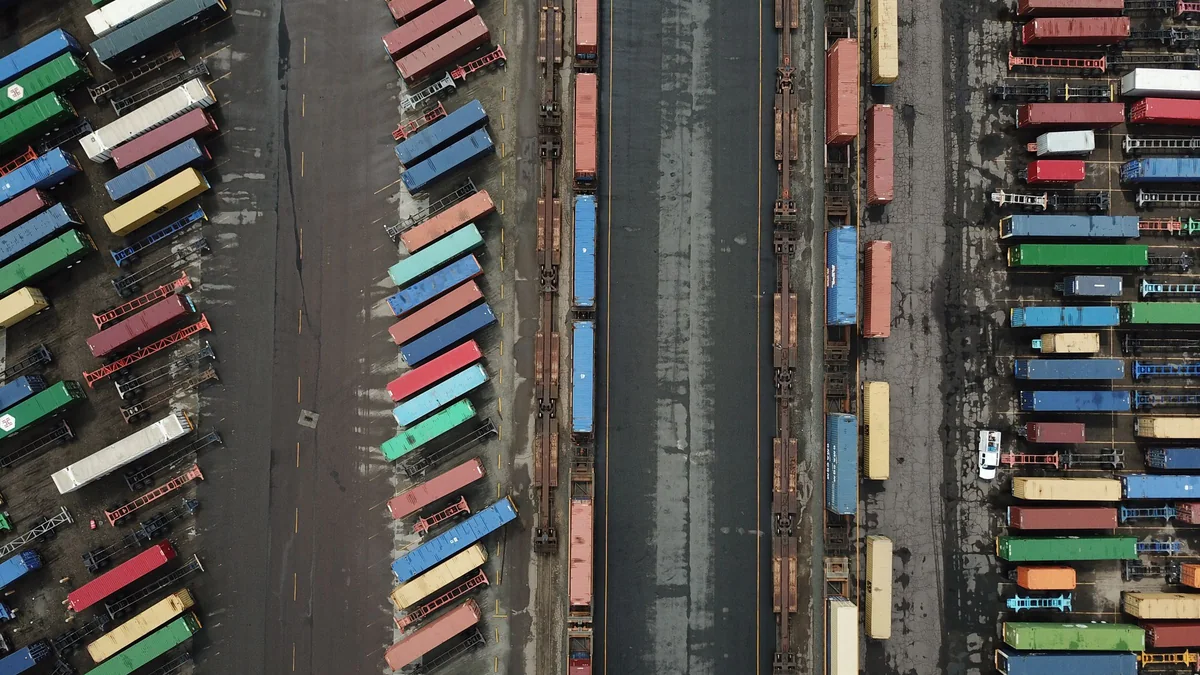
What one extra week costs
So how fast does it actually grow?
The meter starts the day your free days run out.
Carriers publish these rates, and the published numbers are public. One example: OOCL’s tariff for UK ports, effective 9 September 2026, gives a 40ft dry container seven free days, then charges £65 per day for the next seven, £90 for the week after, and £105 from day 22. Every carrier and every port sets its own ladder. Treat the figures as a sample of how a ladder is built, not as a quote for your port.
Most of the money goes in the later bands. One week past free time costs about £455 on that ladder. Two weeks costs about £1,085, and the third week adds £735 on top.
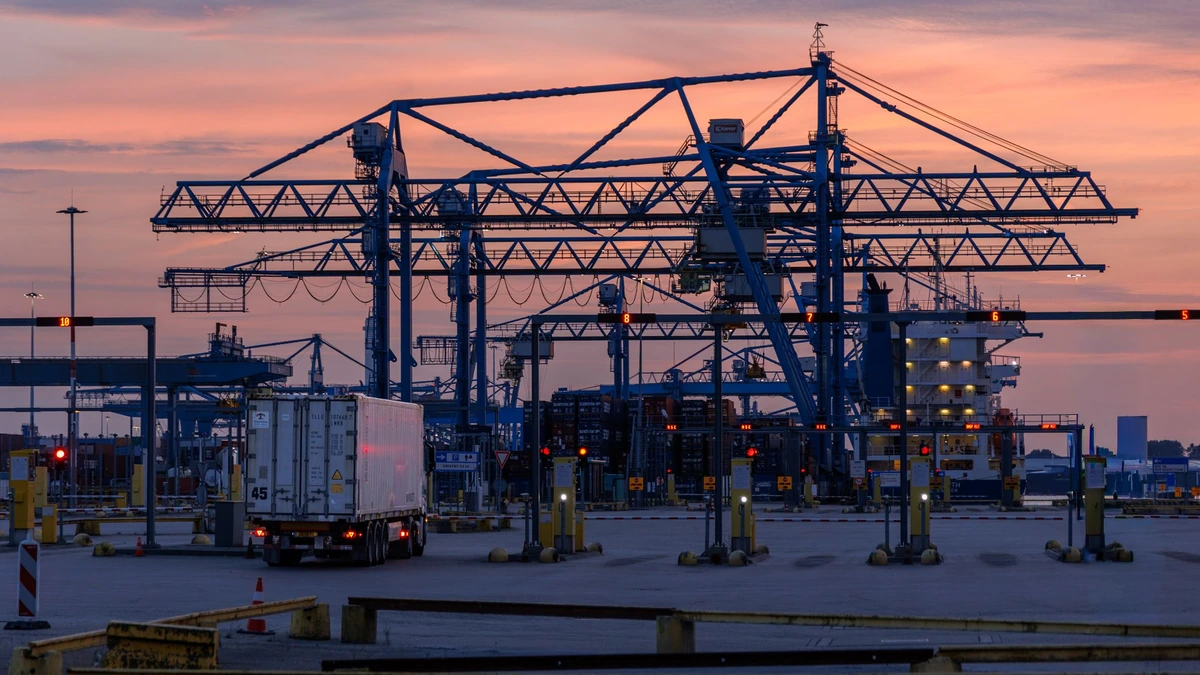
The timing is worse than the rate. The bill usually lands after you have paid for the goods, after production is finished, while you are waiting for delivery. At that point you have no leverage and no alternative. The box is there.
Which leaves two things you can do: negotiate more free days, and remove the places where the box gets stuck.
Four sentences to put in the booking confirmation
First: how many free days, stated separately for demurrage and detention. Not “per carrier standard”. The number.
Second: when the clock starts. Discharge date, availability date, or gate-out date. Pick one and write it down.
Third: who arranges collection, and who carries the cost if collection fails. This line exists for the trucker with no slot.
Fourth: who pays when customs examines the container. This is the line most often skipped and most often argued about. An examination is nobody’s fault, but somebody pays for it.
The four sentences run to under a hundred words. Written into the booking confirmation, they are worth more than a hundred emails afterwards.
Some situations, of course, none of this rescues.
When none of this helps
Low value, small container. The demurrage can exceed what is left of the goods. Take a batch of hardware fittings from Foshan that sits two weeks past its free days. The invoice comes to more than the cargo is worth. The correct move then is abandonment, not waiting. Do the arithmetic: remaining value minus the charges still accruing. If the answer is negative, decide earlier.
Dangerous goods, infringement, falsified documents. These are not commercial problems, they are compliance problems. More free days will not help. Fix the compliance first.
The forwarder was nominated by the buyer. The contract is not yours, so you have no standing to negotiate free days. All you can do is buy time on your own side: clear the warehouse early, book the trucker early, confirm the documents early.
Port strikes, severe weather, a closed canal. These usually fall under force majeure, and how the clause is written decides whether you actually escape the charge. “Neither party liable during force majeure” and “demurrage during force majeure is for the booking party” are two different contracts.
What is left is what you can do this month.
The week before arrival
Seven days out, ask the forwarder for the free days in writing, demurrage and detention listed separately. Verbal does not count.
Five days out, confirm that the destination warehouse can actually receive on the date you have. A date and a contact, not “sometime that week”.
Two days out, confirm the trucker is booked and the bill of lading is released. If either is not settled, move the whole collection plan forward.
On the day, ask one question: has the container been released, and on what date the carrier is counting from. Plenty of buyers think of it on day three.
All four are things you can do yourself. In peak season, they are also the four things that get forgotten.
What we do in this chain
We do not carry the goods and we do not clear customs. Both sit with other parties.
What we do: before booking, put several forwarders’ quotes on the same footing, line by line, including whether tax is in, how many free days, and who carries examination costs. Before shipment, hold the factory to a final invoice and packing list so the container is not waiting on a sheet of paper. And as the vessel approaches, tell you how many free days are left.
Most of the money in demurrage is decided before the container reaches the port. By the time the invoice arrives, there is very little left to negotiate.
For the gates a container passes after it lands, see our guide to customs clearance from China. If your volume is still small and you are weighing LCL against a full container, LCL shipping from China works through the break-even. Both sit under third-party logistics coordination within our six services.