


Logística
Flete marítimo desde China: FOB, CIF, DDP y todas las tarifas ocultas explicadas
Before we talk sea freight: why the quote you see is never the price you pay
Sea freight from China is the backbone of global trade. More than 80 percent of everything traded internationally travels by ship, and the Pearl River Delta — with its three major ports at Yantian, Shekou, and Nansha — is one of the busiest shipping hubs on the planet. If you import from China, the odds are your goods will travel by sea.
Yet sea freight from China is also where most buyers lose the most money. Not because the ocean freight itself is expensive — it is usually the cheapest leg of the journey — but because the number you are quoted is almost never the number you actually pay. A factory quotes “$1,500 for a 20-foot container to Los Angeles,” and by the time the goods reach your warehouse, you may have paid $3,500 or more. The difference is not a mistake; it is a stack of fees that simply were not in the quote.
We have arranged sea freight from China for hundreds of shipments — from single pallets of LCL cargo to full 40-foot containers of furniture, electronics, and industrial equipment. We have seen every fee, every surcharge, and every surprise. This guide explains what sea freight from China actually costs, what FOB, CIF, and DDP really mean, and how to keep the hidden fees from eating your margin.
One quick note before we start: sea freight is only one of three ways to ship from China. If your goods are small, light, or urgent, air freight or express courier may be the better call. For a full comparison of sea vs air vs express — including costs, transit times, and when the premium for air is actually worth it — see our complete guide to shipping from China.
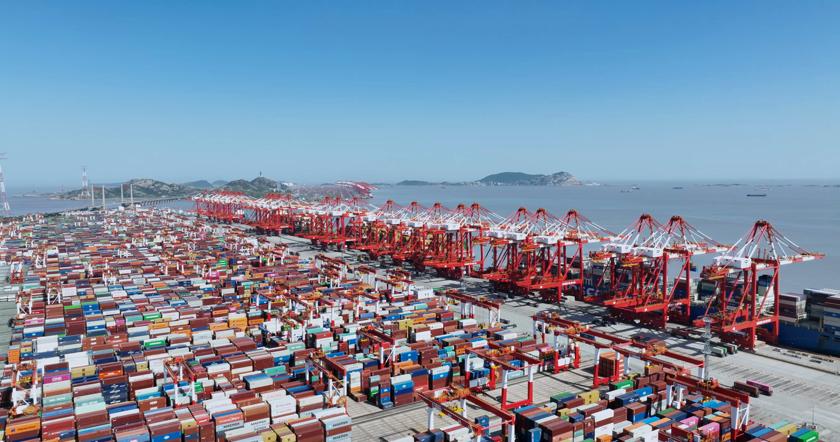
What is sea freight from China (and why most importers use it)
Sea freight from China means your goods are packed into a shipping container and loaded onto a cargo ship at a Chinese port, then unloaded at your destination port. There are two ways to do it.
FCL (Full Container Load). You rent an entire container — usually 20-foot or 40-foot — and your goods are the only goods inside. FCL is cheaper per cubic meter, faster (no waiting while other cargo is consolidated), and lower risk, because no one else’s goods can damage or contaminate yours. It makes sense once you have enough to fill at least half a container — roughly 15 cubic meters for a 20-foot, or 30 for a 40-foot.
LCL (Less than Container Load). Your goods share a container with other people’s cargo. A forwarder consolidates several small shipments into one box, then splits them apart at the destination. LCL is more expensive per cubic meter and a few days slower, but it is the only sensible option when you do not have enough to fill a container.
For most of our clients, the rule is simple: at 15 cubic meters or more, use FCL; below that, use LCL. Between 10 and 15 cubic meters, always get both quotes — sometimes a full 20-foot is only a few hundred dollars more than LCL for the same volume, and you buy yourself speed and security. We compare both for every client rather than assuming the cheapest sticker is the best value.
FOB, CIF, DDP: the three terms that change everything
If you remember one thing from this article, remember this: the three letters after the price decide who pays for what and where the risk moves from the seller to you. FOB, CIF, and DDP are Incoterms, and choosing the wrong one can quietly cost you thousands of dollars.
FOB: the most control. FOB (Free On Board) means the factory pays for everything up to the moment the goods are loaded onto the ship at the Chinese port — trucking to the port, Chinese port fees, export customs clearance, and loading. Once the container is on the vessel, responsibility and all further costs pass to you: ocean freight, destination port fees, import clearance, duties, taxes, and the truck from the port to your warehouse. The advantage of FOB is control.
You pick your own forwarder and customs broker, and you can see exactly what each stage costs instead of paying a markup to the factory’s preferred forwarder. For experienced importers, FOB is the default. We recommend it for most of our clients, working with trusted forwarders on both ends so the process is still hands-off for you.
CIF: simple, but rarely the bargain it looks. CIF (Cost, Insurance, Freight) means the factory pays up to your destination port — ocean freight, insurance, and all Chinese-side costs. You handle the destination port fees, import clearance, duties, and final trucking. It is simple on paper, but there is a catch: under CIF the factory controls the shipping and will usually take the cheapest forwarder, not the best one. That can mean slow service, infrequent sailings, and poor communication.
We have had CIF clients sit at the Chinese port for two weeks because the factory’s forwarder could not get container space, while FCL shipments on the same route sailed on time. Use CIF only for your first one or two shipments if you have no forwarder yet; then switch to FOB.
DDP: door-to-door, but the least transparent. DDP (Delivered Duty Paid) means the seller handles everything — from the factory floor to your warehouse door — for one price. It is the closest thing to “set it and forget it” in international shipping.
The trade-off is cost and transparency. You never see the breakdown, so the seller may be paying $2,000 for the whole process and charging you $3,500.
DDP also carries a quiet risk: if the seller under-declares your goods to lower the duty and customs catches it, you — the importer of record — are legally on the hook for the unpaid duties and penalties.
We recommend DDP only for very small shipments (under a cubic meter) or first-time buyers who want the simplest option.
The hidden fees of sea freight from China (itemized)
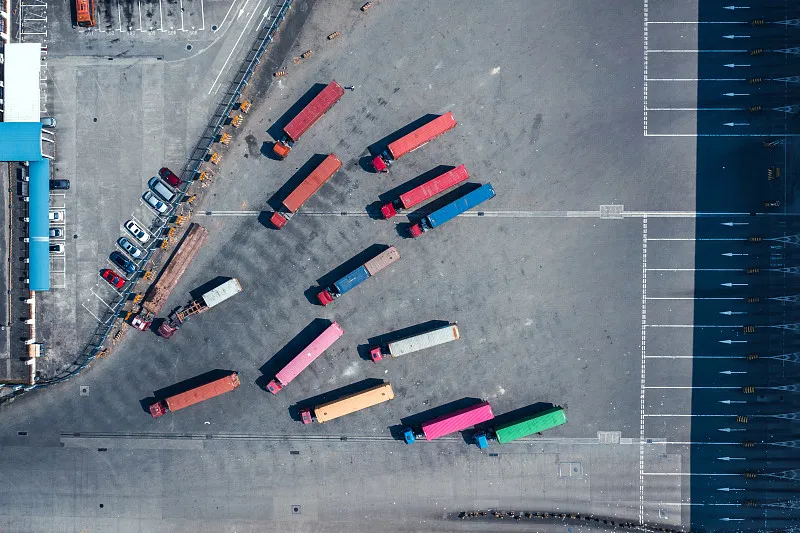
Now let’s open the hood on the fees that turn a “$1,500” quote into a $3,500 bill. Every one below is real.
On the origin side (China):
- Trucking (factory to port): typically $150–$400 within the Pearl River Delta. The factory pays this under FOB.
- Chinese port fees: around $100–$250 per container for handling.
- Export customs declaration: roughly $50–$100 per shipment.
- Documentation fee: the forwarder’s charge for the bill of lading, about $50–$80.
On the ocean:
- Base ocean freight: the number in the headline quote. It floats daily with the market, and you can check the public benchmark on the Freightos Baltic Index.
- Bunker adjustment (fuel surcharge): roughly $100–$300 per container. Some quotes include it, some don’t — always ask.
- Peak-season surcharge: roughly $200–$500 per container from August to November; almost always present in peak season, rarely in the initial quote.
- Congestion surcharge: around $100–$300 when the destination port is backed up; it appears and disappears without warning.
On the destination side (your country):
- Destination port fees: about $200–$500 per container — the biggest surprise for most FOB buyers.
- Customs clearance: your broker’s fee, roughly $100–$250 per shipment.
- Duties and taxes: this is the big one. There is no single number — the duty is set by your product’s 10-digit HTS code and your destination country, and it is checked per shipment. For goods entering the US, most categories now also carry an additional Section 301 tariff on top of the normal duty. Into the EU, you will also pay import VAT on top of the goods and freight. Never assume a category is duty-free; confirm the rate against your HTS code before you price your margins.
- Trucking (port to warehouse): roughly $200–$600, depending on distance.
- Demurrage and detention: $50–$200 per container per day if you exceed the free days (usually 3–7) at the port.
- Chassis fee (US): about $50–$100 per day for the trailer carrying the container.
- Warehouse storage: roughly $5–$15 per pallet per day.
Add these up, and the ocean freight is often less than half of the total landed cost.
Real cost breakdown: a 20-foot container, Shenzhen to Los Angeles
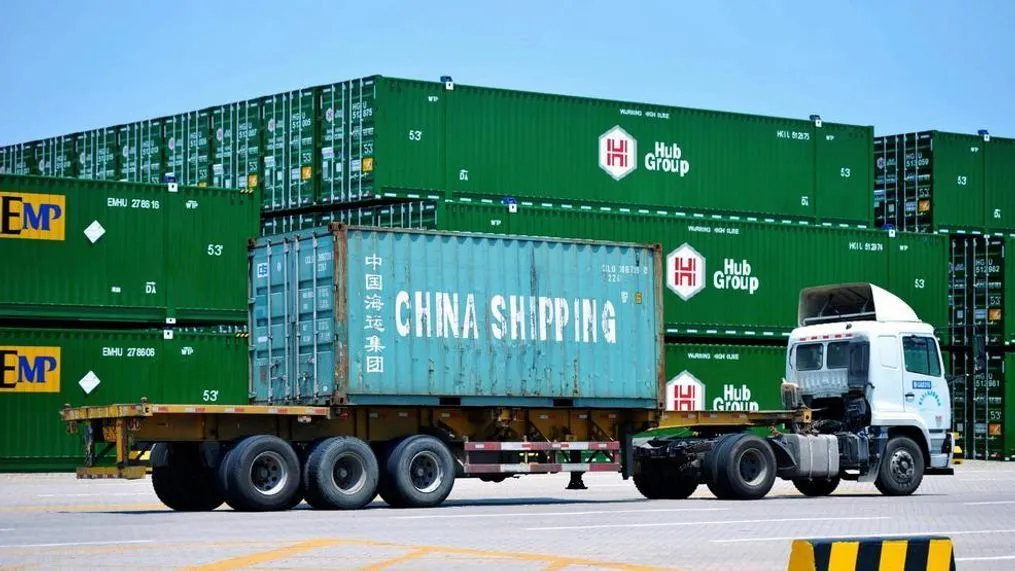
Let’s make it concrete. Here is a representative breakdown for a 20-foot container of consumer goods from Shenzhen (Yantian Port) to Los Angeles, in a non-peak month. The logistics fees below are real market ranges; the duty is shown separately because it is not fixed.
| Item | Typical range |
| Trucking (factory to Yantian) | $200–$300 |
| Chinese port fees & export clearance | $180–$280 |
| Documentation fee | $50–$80 |
| Base ocean freight (Yantian → LA) | $1,200–$1,600 |
| Bunker / fuel surcharge | $100–$300 |
| Destination port fees (LA) | $300–$450 |
| US customs clearance | $120–$200 |
| Customs duty | Assessed by your 10-digit HTS code — varies by product; plus any Section 301 tariff for the US |
| Trucking (port to warehouse) | $250–$400 |
| Chassis fee | $60–$100 |
| Cargo insurance (optional, ~0.3–0.5% of goods value) | $150–$250 on a $50,000 load |
For the fixed logistics alone, buyers typically pay somewhere between $1,100 and $1,800 on top of the ocean freight — before any duty. So the real landed cost is never the $1,400 ocean number; it is the ocean freight plus roughly $1,100–$1,800 in logistics fees, plus duty and VAT, which depend entirely on what you are importing and where. The only way to know that last line is to look up the HTS code for your specific product before you place the order.
In peak season (roughly August to November), the ocean leg itself can jump 50 percent or more. The same Yantian-to-LA container that costs around $1,400 in a quiet month can run $2,200 in October, before surcharges. That is why we always ask clients for the one number that matters: total landed cost, all fees and duty included, all the way to your warehouse — not the number on the factory’s quote sheet.
How we save clients money on sea freight from China
This is how we save clients money on sea freight from China — it is not magic, just experience, relationships, and attention to detail.
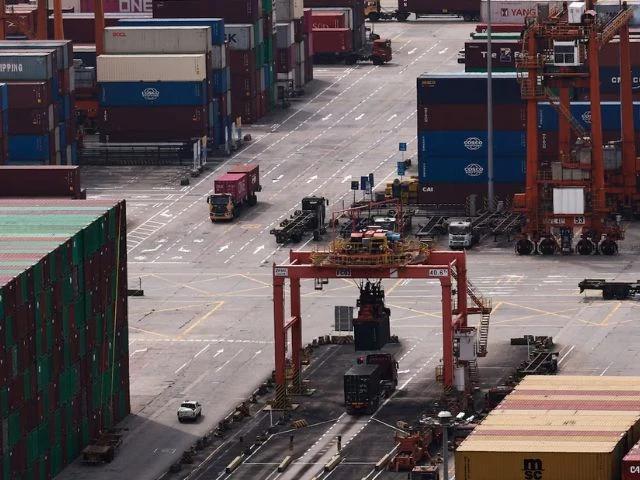
- We compare FCL against LCL on every shipment. A full 20-foot can sometimes be only a couple of hundred dollars more than LCL for the same volume, with faster transit and less risk. We always check both.
- We book early in peak season — two to three weeks before the goods are ready — to lock in lower rates and avoid the price spikes.
- We audit every fee on every invoice. Forwarders sometimes add duplicates, wrong surcharges, or charges for services never performed. We dispute them line by line; over a year that can be thousands of dollars.
- We recommend the right Incoterm for each client — FOB for experienced buyers, CIF only for a first shipment, DDP only for tiny orders. We never push a term that helps the factory at your expense.
- We never book a container before the goods pass inspection. A container waiting for rework at the port costs $50–$200 a day; we complete the pre-shipment inspection first so the ship is booked only when the goods are genuinely ready.
The rate you see is the rate you pay — no surprises, no hidden fees, no last-minute invoices.
More on shipping and customs
- Air freight from China — chargeable weight, routes and door-to-door time
- LCL vs FCL — where LCL stops being cheaper than a full container
- Customs clearance from China — the four gates and the ten days that decide your bill
Also worth reading: China sourcing trends for 2026 — five trends reshaping cost, compliance and lead times.
Our recommendation
Sea freight from China does not have to be confusing or expensive. The key is to know what you are paying for and never trust a single headline number.
- Ask for the total landed cost, not just the ocean freight.
- Default to FOB; use CIF only for your first one or two shipments, and DDP only for very small orders.
- Compare FCL and LCL if you are in the 10–15 cubic meter gray zone.
- Ask about every surcharge — bunker, peak-season, and congestion — before you accept a quote.
- Look up your product’s HTS duty and any Section 301 or VAT before you place the order; it is often the largest single cost after the goods.
- Book two to three weeks ahead in peak season (August to November).
- Choose a good forwarder over the cheapest one; honest billing and fewer delays beat a low headline number.
- Never book a container before the goods pass inspection.
Follow these and sea freight from China becomes a predictable, manageable part of your business rather than a source of last-minute bills. If you have a shipment ready, or you are planning an order and want to know the real total landed cost before you commit, send us your product details and destination. We will come back with an itemized quote — ocean freight, all fees, and duty guidance — so you know exactly what you will pay.